

Exploring Contemplation + Mysticism Through a Queer Lens
-

New Podcast: Contemplating Now
NEW PODCAST ALERT 🚨 Contemplation has been a part of my life since I was a child taking long walks to pause and process. In 2011, after reading Thomas Merton’s New Seeds of Contemplation, I quit my job and traveled to all 17 Trappist monasteries in the United States. But as I journeyed, I sensed… Read more
-

My White Problem
Adapted into an Op-Ed in the IndyStar If the news in America has flashed across your screen in any manner, then you know that ignorance and white supremacy culture are on full display. It’s easy to name it, scoff at it, recognize it as damaging, and know—or think, one is on the right side of… Read more
-
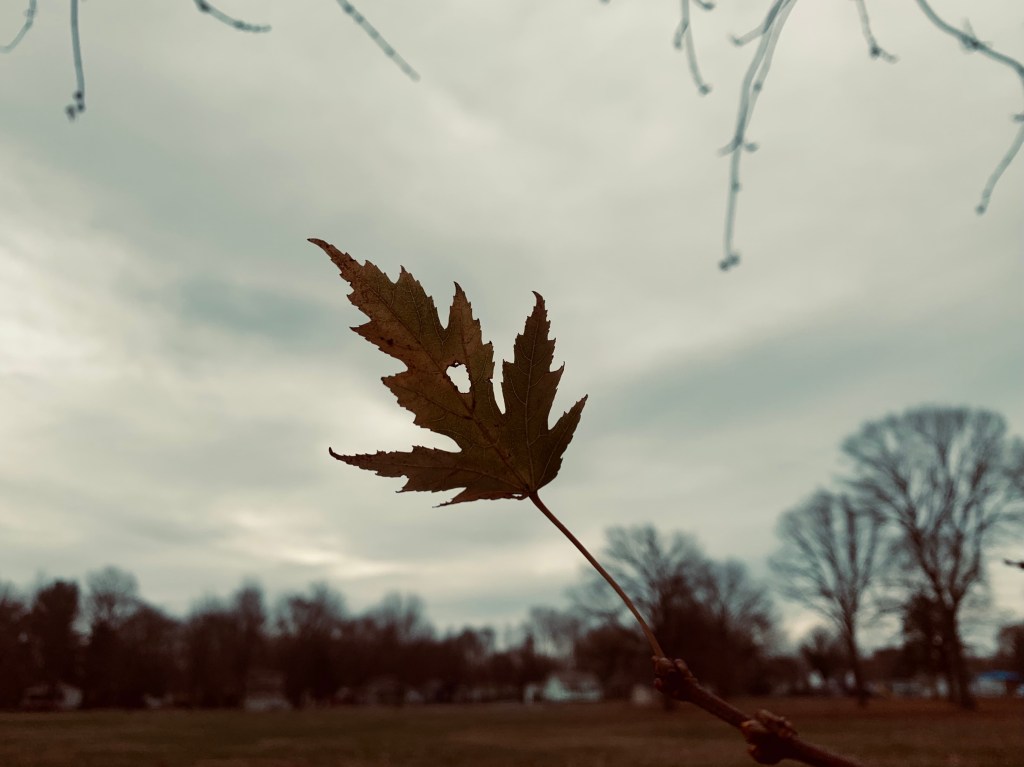
One Leaf: An End of Year Blessing
Wherever you are at the end of this year, maybe you need to stay, maybe you need to let go, but I urge you to carry forth the resilience you have proven. I ask that you remember the grief you have waded and the awakenings you have come to know. Read more
-

“Now I will Disappear”
The fullness of liberation lies with the fullness of voices. And so long as I participate in perpetuating the domination of cis-white-male voices in spiritual leadership, I perpetuate slower movement toward the fullness of liberation for all people (shoutout to Womanist methodology). Read more
-
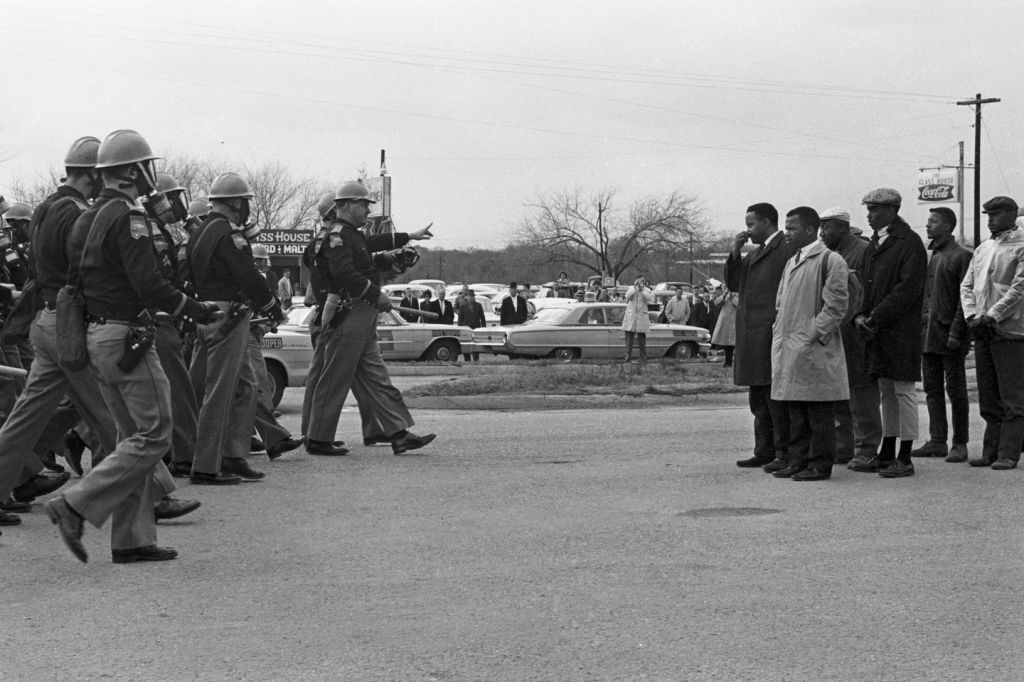
Sacramental Action
To what am I willing to be present and awake? What ills of society am I identifying with? How am I yielding to social action as sacramental? Read more
-

Complacency, Complicity, and Confrontation
As I confront my own role in racial injustice, I think about the false narratives embedded in white supremacy. Read more
What would it mean to queer contemplation? To disentangle contemplative spirituality from heteronormativity, patriarchy, and Eurocentricity, and instead engage with openness, curiosity, and a little weirdness?
Queering Contemplation: Finding Queerness in the Roots and Future of Contemplative Spirituality
Contemplation
Contemplation as a daily practice of reflection + action.
Mysticism
Mysticism as an accessible encounter of interconnection to self + others + the Divine.
Activism
Social Justice activism as the pursuit of love + liberation for all.
“Many poets are not poets for the same reason that many religious people are not saints: they never succeed in being themselves…”
— Thomas Merton, New Seeds of Contemplation

